Welcome to Pampered Piglets local page. Pampered Piglets has the smallest teacup pigs in the United States. We ship our teacup piglets safe and sound to you!
Teacup pigs make great Pets!
We have the world's smallest teacup pigs! Micro pigs make great pets. They get along with other pets and kids love them!
Micro Teacup Pigs
MicroTeacupPigs.com
– Your Premier Destination for Micro Teacup Pig Adoption!
Embark on an enchanting journey into the world of micro teacup pigs with us at
MicroTeacupPigs.com
! Join the wave of fascination that has swept across the globe, from the United Kingdom and Europe to the heart of the United States. We specialize in offering adorable micro teacup piglets for adoption, bringing joy and companionship to families near and far.
Micro teacup pigs, the epitome of charm and cuteness, are the latest craze among pet enthusiasts. Picture these tiny treasures, born no larger than a teacup, maintaining their petite stature throughout their ten to twenty-year lifespan. With lengths ranging from twelve to fifteen inches at maturity, these miniature marvels are sure to steal your heart. We are the partner site for
Pamperedpiglets.com
At
MicroTeacupPigs.com
, we take pride in offering two distinct varieties of micro teacup pigs for adoption: micro minis and teacup minis. Micro minis, the smallest of the micro teacup pigs, typically weigh under sixty pounds when fully grown, with the rarest gems tipping the scales at just thirty pounds. These pint-sized pals are meticulously bred to preserve their dainty dimensions and irresistible features, making them highly coveted by enthusiasts worldwide. On the flip side, teacup minis, slightly larger in size, range from sixty to a hundred pounds at maturity. Despite their slight increase in stature, they retain the adorable allure and affectionate nature that define micro teacup pigs.
Curious about the suitability of micro teacup pigs for your family? Fear not! These delightful creatures are perfect additions to any household. Whether snuggled up indoors or frolicking in the backyard, micro teacup pigs thrive on love and attention. They are intelligent, affectionate, and easily trainable, making them ideal companions for families with children and other pets.
Before diving into the enchanting world of micro teacup pig adoption, it's essential to consider a few key factors. Micro teacup pigs boast a lifespan of twelve to twenty years, requiring a long-term commitment from potential owners. Additionally, prospective adopters must ensure that micro teacup pigs are legal in their area and provide a nurturing environment with ample space and companionship.
At
MicroTeacupPigs.com
, we prioritize the welfare of our micro teacup pigs and strive to match them with loving and responsible families. Our adoption process includes a comprehensive questionnaire to assess the suitability of potential adopters, ensuring that our pigs find their forever homes with the utmost care and consideration.
Ready to welcome a micro teacup pig into your life? Explore our available piglets, complete the adoption process, and embark on a journey filled with love, laughter, and endless snuggles. With nationwide shipping available, your dream micro teacup piglet is just a click away at
MicroTeacupPigs.com
!
Why should choose Pampered Piglets?
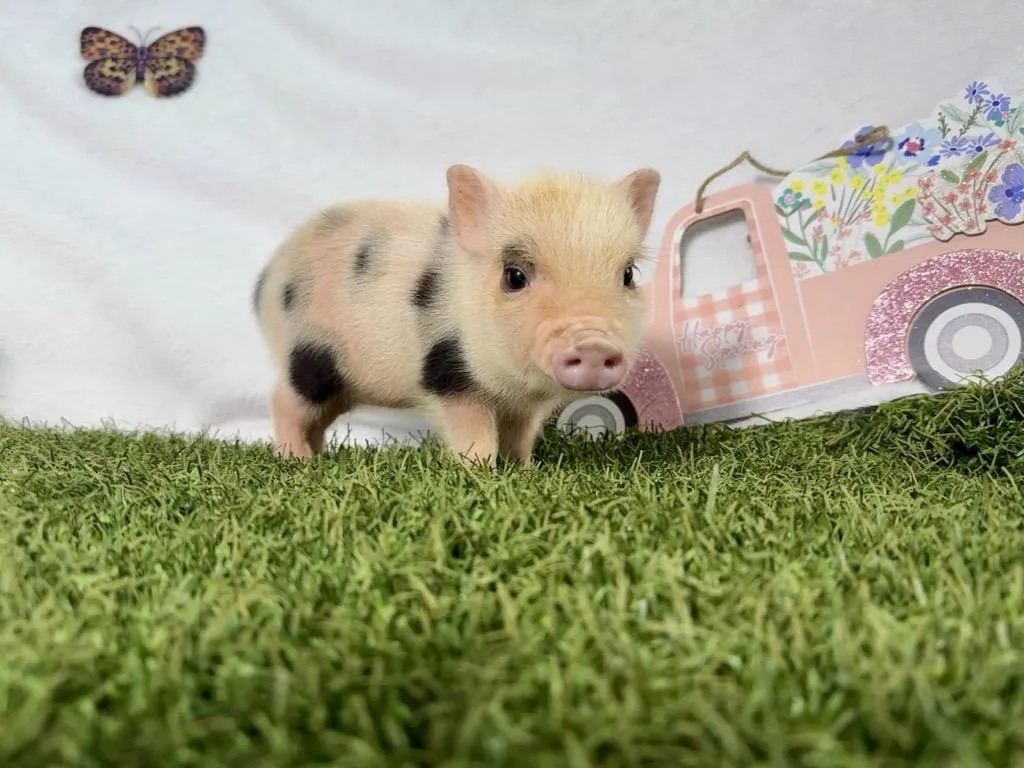
We have been breeding Mini Pigs for nearly 20 years!
We selectively breed our teacup pigs to be the smallest. Over the span of decades our mini pigs have become the smallest in the world! Don't be fooled by cheap prices on pigs from backyard breeders. You don't want to end up with a giant hog! Size is everything!
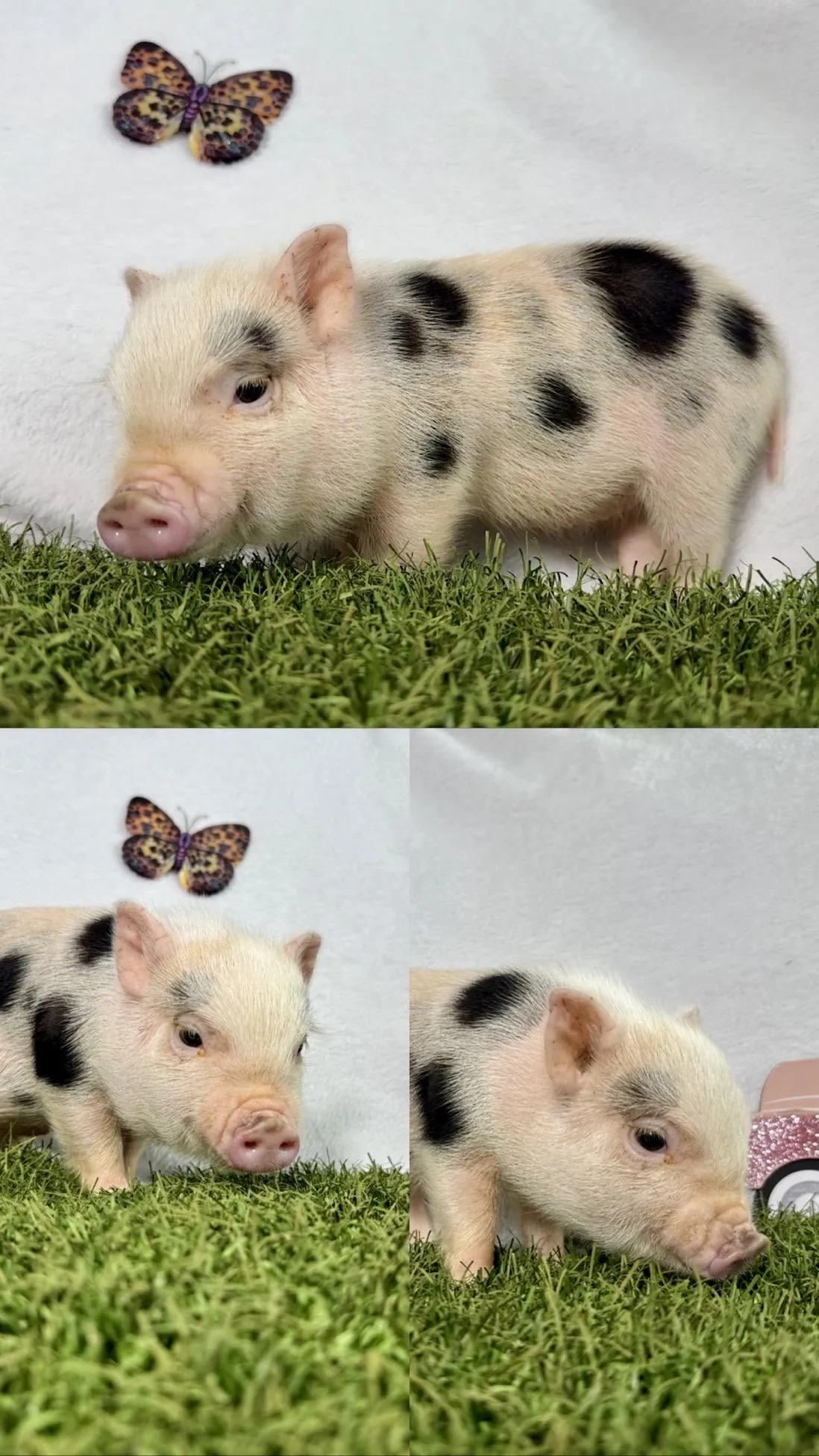
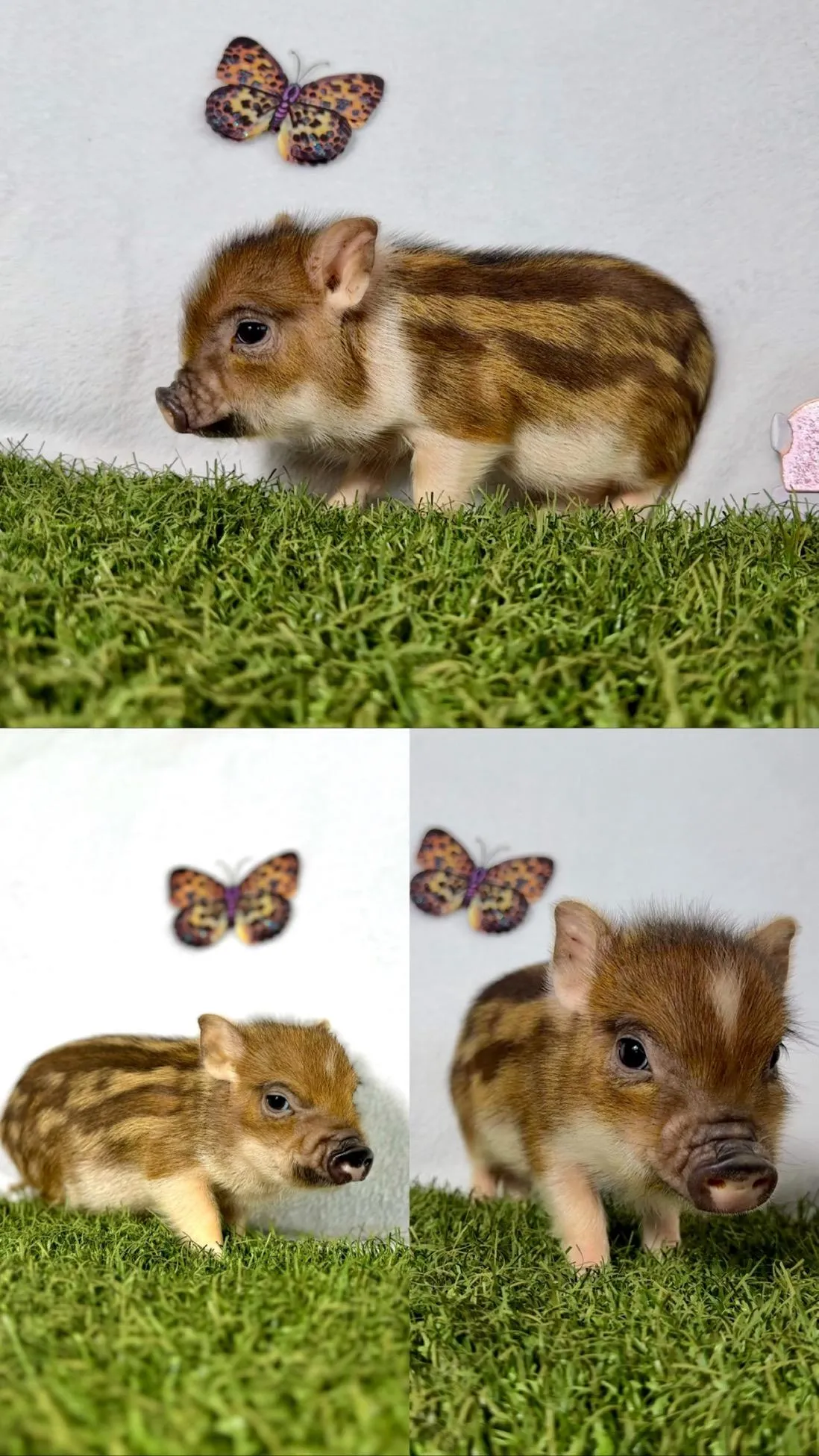
We can ship your teacup pig to
Since there are no real teacup pig breeders in your state, we are able to ship your piglet safe and sound to you. Our trusted delivery drivers are trained and familiar with how to care for mini pigs. Shipping is free and included in the price!
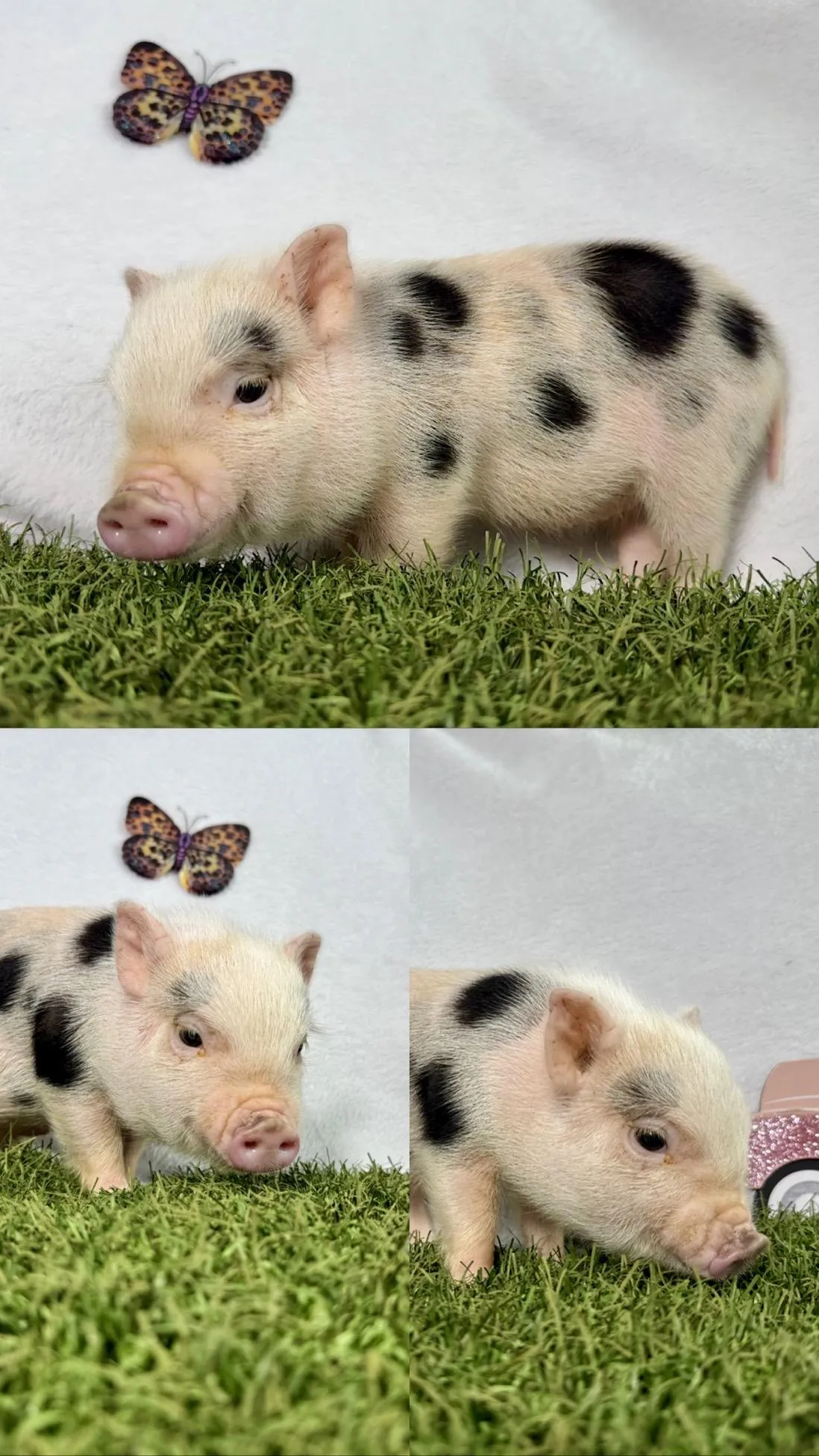
How big do our teacup pigs get?
Our teacup pigs full grown will get the size of a French Bulldog. It is important that you keep your piggy on a proper diet. You don't want the pigs becoming too skinny and also don't want them becoming obese.

We have an outstanding reputation!
We have been breeding micro pigs for decades and have a Facebook page of over 43K followers. Follow us on Facebook!
TESTIMONALS


Annie from Kansas

My piggy thinks he is a dog. He gets along great with my dogs. He is two and weighs 12 pounds. He is experiencing his terrible two's he is so sweet and stubborn at the same time.

Mike & Sherri from New Mexico
Hi Karen! This is Mike and Sherri in New Mexico, we just wanted you to know we have enjoyed being parents to Vinnie, fna Alfalfa. He and i are cuddling and napping often! Have a great day and thank you for the happiness you have brought our home:@)

Tammy from California
I just Have to say that we absolutely Love our little guy so much he has been fully potty trained sense the day we brought him to our house he has the best personality he runs around and plays with my 3 year old. Just wanted to say thanks again for him..
Frequently Asked Questions
Answers To Frequently Asked Questions
What is the difference between teacup pigs, Micro pigs, Mini Pigs, and Pocket Pigs?
Teacup pigs, Micro pigs, Pocket Pigs and mini pigs all are describing the same type of pig. They are a lot smaller than a pot belly pig. When we describe a pig as Super Micro that means it is extra small.
What states do we ship to?
We ship to most states in the United States. Here is a list of our state websites: Teacup pigs for sale in Alabama, Teacup pigs for sale in Arizona, Teacup pigs for sale in Arkansas, Teacup pigs for sale in California, Teacup pigs for sale in Colorado, Teacup pigs for sale in Connecticut, Teacup pigs for sale in Delaware, Teacup pigs for sale in Florida, Teacup pigs for sale in Georgia, Teacup pigs for sale in Illinois, Teacup pigs for sale in Indiana, Teacup pigs for sale in Idaho, Teacup pigs for sale in Iowa, Teacup pigs for sale in Kansas, Teacup pigs for sale in Kentucky, Teacup pigs for sale in Louisiana, Teacup pigs for sale in Maine, Teacup pigs for sale in Maryland, Teacup pigs for sale in Massachusetts, Teacup pigs for sale in Michigan, Teacup pigs for sale in Minnesota, Teacup pigs for sale in Mississippi, Teacup pigs for sale in Missouri, Teacup pigs for sale in Montana, Teacup pigs for sale in Nebraska, Teacup pigs for sale in Nevada, Teacup pigs for sale in New Hampshire, Teacup pigs for sale in New Jersey, Teacup pigs for sale in New Mexico, Teacup pigs for sale in New York, Teacup pigs for sale in North Carolina, Teacup pigs for sale in North Dakota, Teacup pigs for sale in Ohio, Teacup pigs for sale in Oklahoma, Teacup pigs for sale in Oregon, Teacup pigs for sale in Pennsylvania, Teacup pigs for sale in Rhode Island, Teacup pigs for sale in South Carolina, Teacup pigs for sale in South Dakota, Teacup pigs for sale in Tennessee, Teacup pigs for sale in Texas, Teacup pigs for sale in Utah, Teacup pigs for sale in Vermont, Teacup pigs for sale in Virginia, Teacup pigs for sale in Washington, Teacup pigs for sale in West Virginia, Teacup pigs for sale in Wisconsin, Teacup pigs for sale in Wyoming,
Can teacup pigs be potty trained?
Teacup piglets practically learn to be litterbox trained on their own. We start by training them in a child's play pen. When they have an accident we scoop their doo doo into the litterbox. They are smart enough to learn in just a few days that is where to go potty.
What food do mini pigs eat?
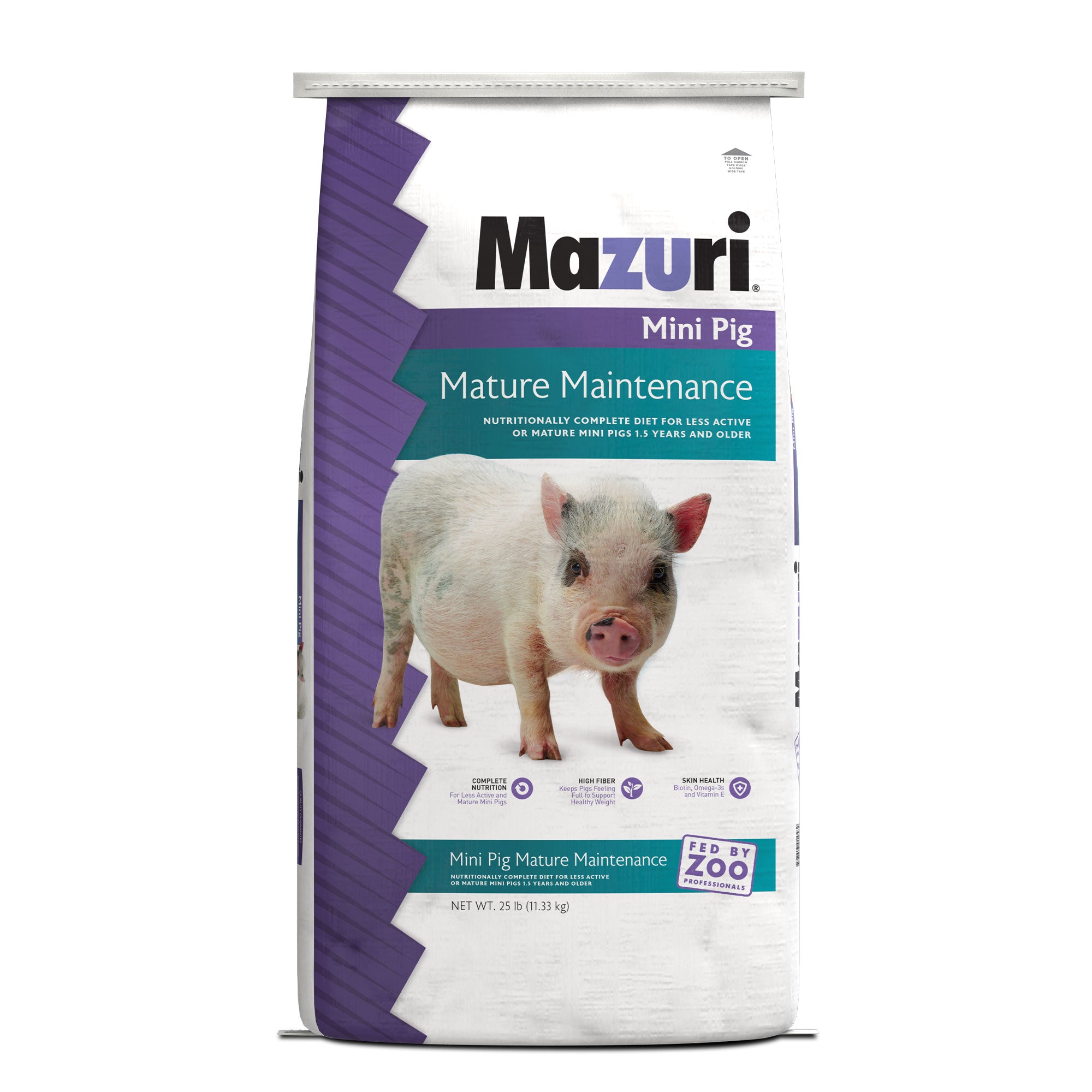
We feed our pigs Mazuri Mini pig food. Click here to locate a store to buy it from.
How long do mini pigs live?
Teacup pigs usually live 12-15 years. They are a long-term commitment and just like any pet you want to make sure you can provide proper care.
How big do micro pigs get?
Our micro pigs will grow to the size of a French Bulldog. You will want to make sure that you get a real teacup pig because there are horror stories of pigs growing to the size of Tibetan Mastiffs!
Are teacup pigs hypoallergenic?
Yes, Mini pigs are hypoallergenic with little-to-no body odor. They enjoy having clean sleeping areas but can be messy with food and water.
